Rorschach Test
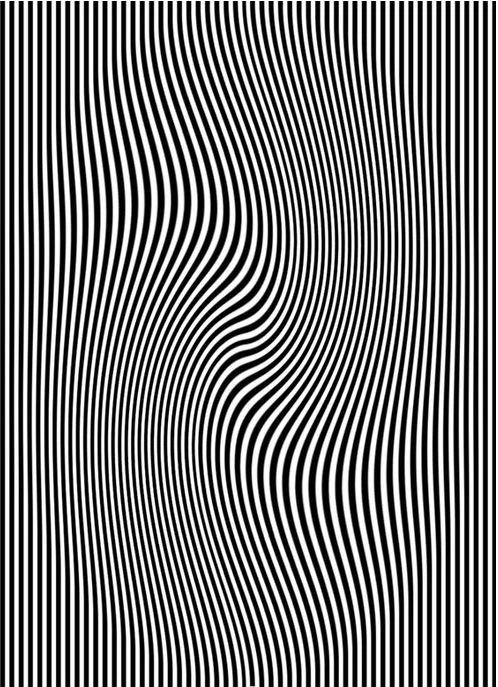
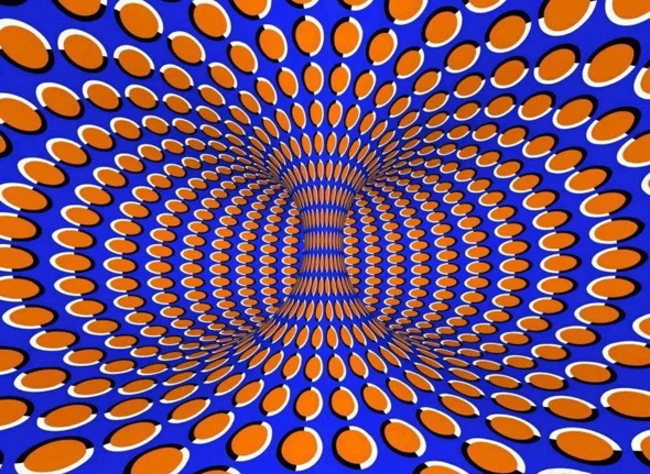
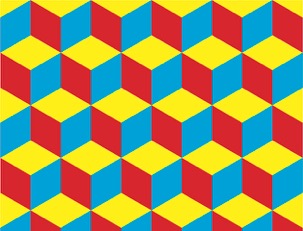
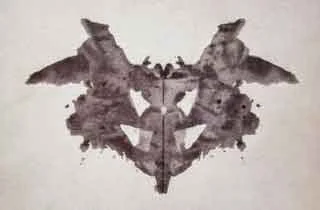
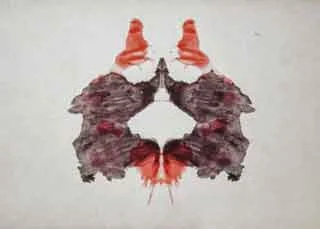
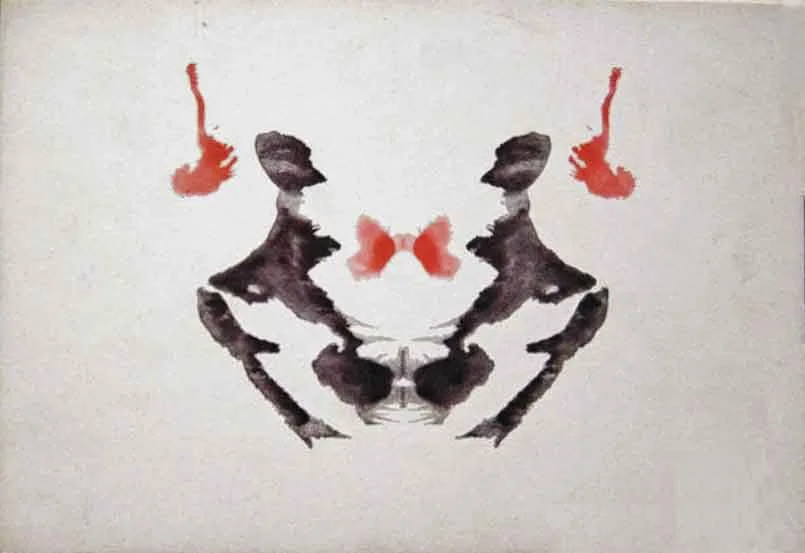
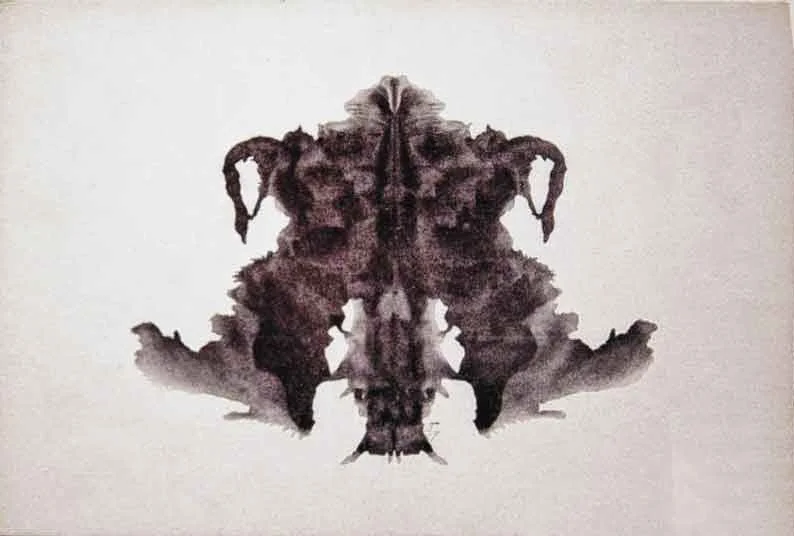
The theme was the Rorschach test (images and ‘how it works' to be included below). Next session we will look at optical illusions and see if they could spot any of the things we’ve learned thus far (depth cues, perspective drawing, shape relationships, tessellations, ambiguous imagery.
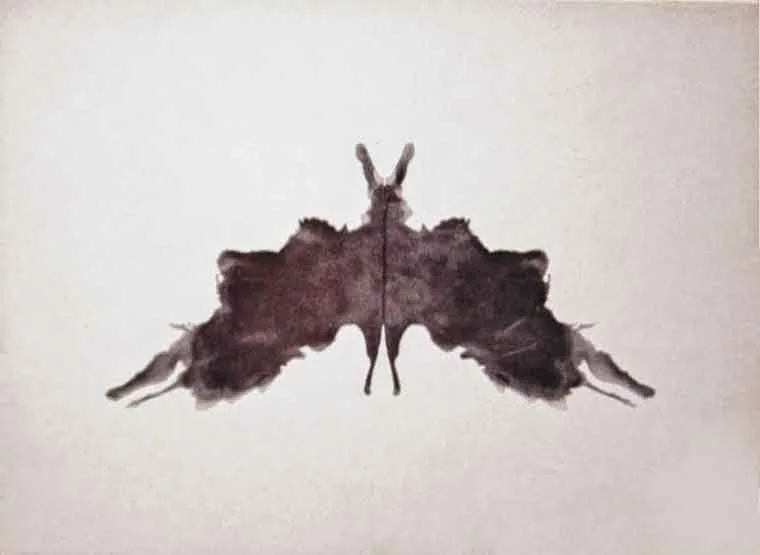
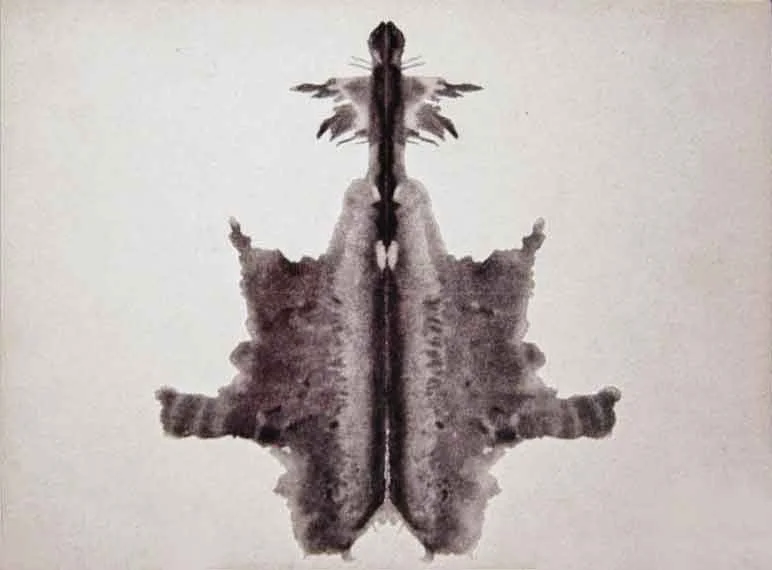
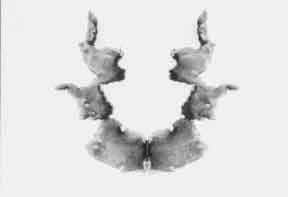
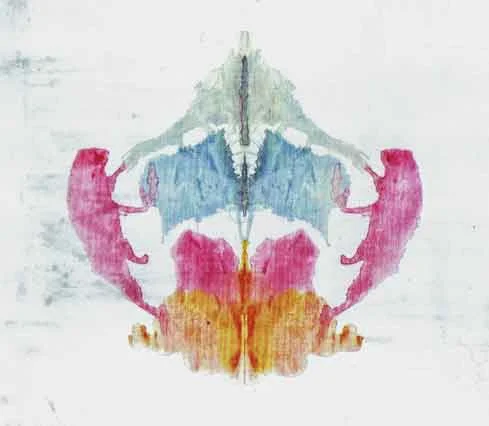
Symmetry
Bilateral Symmetry (a.k.a. Plane Symmetry): When an image or object can be visual divided around a central axis into halves that mirror each other. There are many potential reasons for this, one being people’s brains are hardwired to like/understand symmetry and two it adds a degree of uniformity to the results given.
Ex. human face, butterfly
Color
Five are black, two are black and red, and three are multi-colored. As we know from last class, color has an effect on our perceptions.
Ex. dark colors have the potential produce ‘dark’ (sad, serious, scary) answers, light colors might influence ‘lighter’ (happy, playful, comforting) answers
Content
What is seen. Objects/descriptions. Ex. figures, spider, clouds, Godzilla
Location
Where it is seen. ex. the whole inkblot or sections of the ink blot, the white space, a commonly focus on area or an uncommonly focused on area